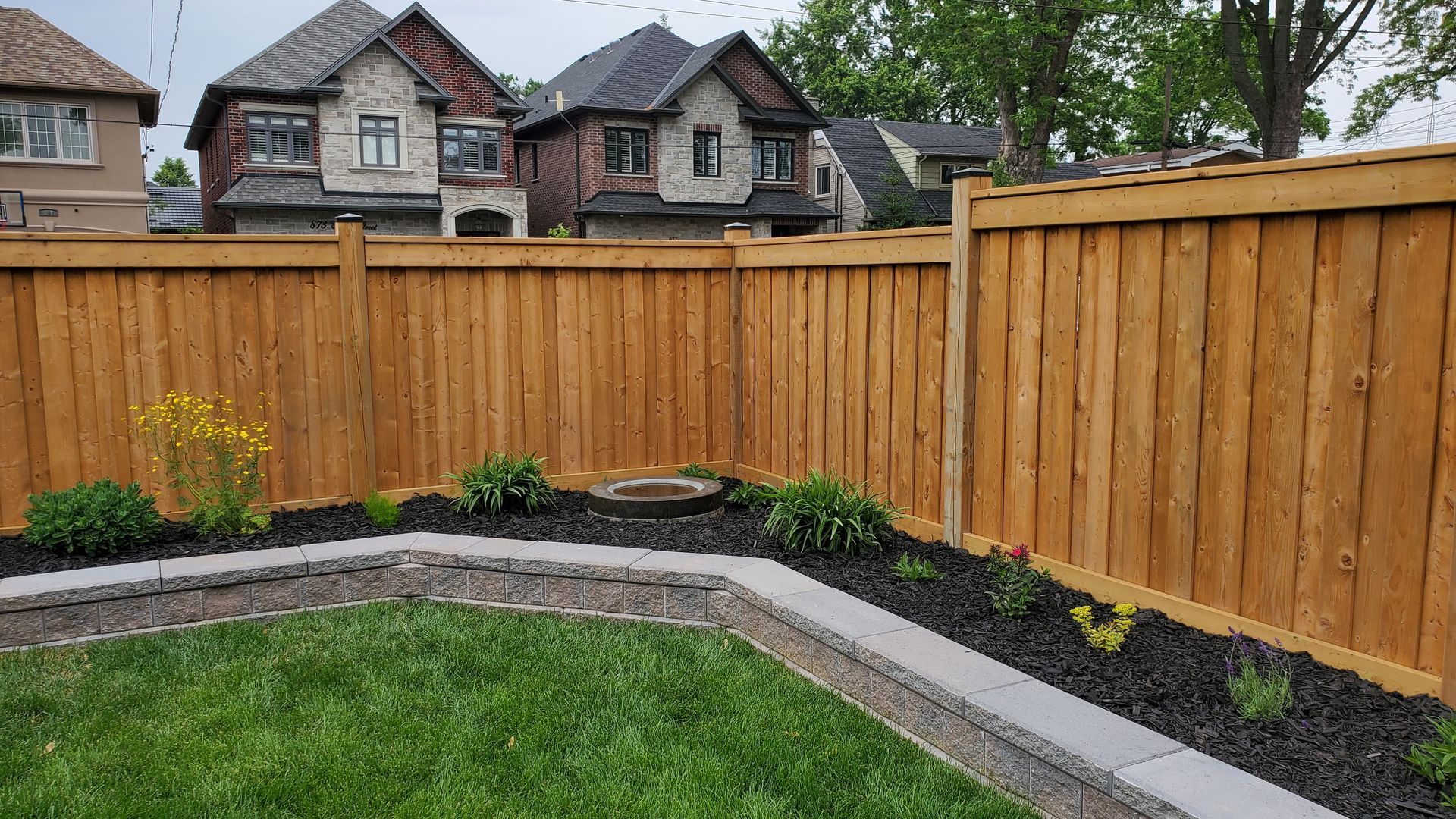
Why Retaining Walls Fail in Hamilton: Drainage and Base Issues
Snowy Owl Services Inc. has seen firsthand how quickly a beautiful landscape can turn into a structural hazard when hardscaping basics are ignored. Property owners often notice a slight lean or a small bulge in their landscape blocks but brush it off as normal settling. The reality is that these small signs are the early stages of retaining wall failure Hamilton homeowners face all too often. Left unaddressed, a leaning structure will eventually give way and cause significant property damage.
We understand the mechanics of sloped properties and the immense soil pressure that builds up after heavy rainfall. The solution requires more than just stacking heavy stones back into place. True stability comes from diagnosing the underground problems and rebuilding with proper excavation, base materials, and water management. We are going to walk you through the root causes of these collapses and how proper construction keeps your yard secure.
What We Cover in This Article
- The Root Cause of Retaining Wall Failure Hamilton Homeowners Face
- What is the most common cause of retaining wall failure?
- Soft Base Foundations and Settling Soil
- Why DIY Fixes Often Accelerate Wall Collapse
- Securing Your Sloped Property Today
The Root Cause of Retaining Wall Failure Hamilton Homeowners Face
Water is the heaviest and most destructive force acting on your hardscaping features. When it rains, the soil behind your block structure absorbs water and expands heavily against the back of the stones. This is especially true near the Hamilton escarpment where dense clay soils hold onto moisture for long periods. Without a way for that water to escape, the hydrostatic pressure builds until the structure physically pushes outward.
During the winter months, this trapped moisture freezes and expands, putting incredible stress on the masonry blocks. When the spring thaw arrives, the compromised structure shifts even further out of alignment. Proper drainage channels water safely away from the wall and protects your investment for decades.
What is the most common cause of retaining wall failure?
The most common cause of retaining wall failure is undeniably poor drainage behind the structure. When contractors skip installing proper weep holes, drainage pipes, and clean gravel backfill, water has nowhere to go. This trapped moisture compromises the structural integrity of the wall and leads to the telltale bowing or tilting you see from the street.
From a professional standpoint:
→ A wall without a dedicated drainage system is just a temporary dam waiting to break.
Soft Base Foundations and Settling Soil
A wall is only as strong as the ground it sits on. Excavation must go deep enough to remove loose topsoil and reach a stable, load-bearing soil layer. If the base trench is too shallow or filled with improper materials, the entire structure will settle unevenly over time. This uneven settling creates stress fractures in the blocks and ruins the alignment of your landscape beds.
Proper base preparation involves compacting a thick layer of crushed gravel to create a rigid, unyielding foundation. We see many failed structures where the original installer simply leveled some sand and started stacking blocks. That method might work for a small garden border, but it cannot support the massive weight of a tiered yard or a raised interlocking patio. If you have a fence installation running along the top of the wall, that uneven settling will also cause your fence posts to lean and warp visibly.
A quick tip to remember:
→ If the bottom row of your wall is visible and resting on topsoil, the foundation was not dug deep enough.
Why DIY Fixes Often Accelerate Wall Collapse
When a wall starts to lean, a common reaction is to try and patch the visible problem. Homeowners will often apply construction adhesive to loose caps or pack extra dirt against the base to prop it up. These DIY attempts mask the visual symptoms but completely ignore the massive pressure building up behind the blocks.
Adding more soil or sealing up cracks actually traps more water behind the structure and worsens the hydrostatic pressure. Digging behind the wall to straighten a block can also destabilize the surrounding soil and cause a sudden collapse. Rebuilding a load-bearing structure requires heavy equipment, precise grading, and a deep understanding of soil mechanics. When property boundaries and massive amounts of earth are involved, amateur repairs often lead to more expensive professional reconstruction down the line.
► Ignoring a leaning wall can lead to a sudden collapse that destroys nearby landscaping and poses a serious safety risk to your family.
Securing Your Sloped Property Today
Addressing a leaning block structure early prevents the massive mess of a total collapse in your yard. We know that dealing with structural issues feels overwhelming, but having a solid, expertly built foundation brings real peace of mind. Let our crew assess the damage, correct the drainage, and rebuild your property boundary with materials designed to last. Give Snowy Owl Services Inc. a call to schedule an honest site evaluation.
Share This Blog